Crayon Hand: A Textured Font for Authentic Design
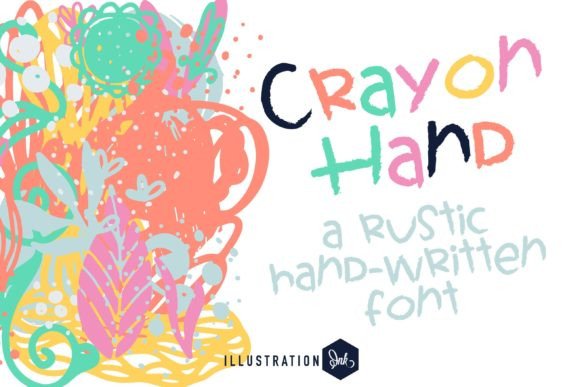
Imagine a font that doesn't just display words, but captures the tangible, nostalgic feel of a crayon drawn across textured paper. That's the unique power of Crayon Hand, a handwritten typeface that injects immediate warmth, personality, and a human touch into any creative project.
In an era of sleek, digital perfection, this textured font stands out by offering authenticity. For graphic designers, marketers, and creators, it's more than just a novelty; it's a versatile tool for visual communication. Its irregular edges and organic texture break the sterile uniformity of standard sans-serifs, making it ideal for projects where approachability and creativity are paramount. Whether you're crafting a brand identity, designing social media graphics, or developing packaging, Crayon Hand adds a layer of tactile charm that resonates emotionally with an audience.
Practical Applications for Modern Design
The true value of a creative asset like this font lies in its application. Its handcrafted aesthetic makes it exceptionally effective across numerous design contexts, helping to establish a distinct visual hierarchy and mood.
- Branding and Logo Design: Use it for logos, taglines, or brand names that aim to feel friendly, playful, artisanal, or child-oriented. It instantly communicates a brand story centered on creativity and hands-on quality.
- Marketing and Social Media: Create eye-catching headlines for posters, flyers, Instagram stories, or Facebook ads. The texture ensures your message stands out in a crowded digital feed, boosting engagement.
- Packaging and Editorial Design: Elevate product packaging for gourmet foods, crafts, or children's books. It also works beautifully for magazine pull quotes or chapter headings, adding a personal, editorial flair.
- Web and UI Design: Strategically apply it to website banners, call-to-action buttons, or feature headings to create focal points that guide the user experience with warmth and personality.
Integrating Crayon Hand Effectively
While the font is a powerful asset, successful integration requires thoughtful design strategy. Consider these factors to ensure it enhances rather than overwhelms your project:
- Audience and Context: Always align your typography choice with your target audience's expectations. This font excels in casual, creative, or youthful contexts but may not suit highly formal corporate reports.
- Readability and Hierarchy: Due to its textured, handwritten nature, it's best used for short bursts of text—headlines, subheadings, logos, or pull quotes. Pair it with a clean, highly legible sans-serif or serif font for body copy to maintain readability and a clear visual hierarchy.
- Color and Composition: The font's texture interacts dynamically with color. Test it against various backgrounds; it often pops against solid, contrasting colors or complements organic, textured backgrounds. Ensure sufficient contrast for accessibility.
- Consistency in Brand Systems: If incorporating it into a brand identity, document its specific use cases. Define where and how it should be applied to maintain consistency across all touchpoints, from digital marketing to print materials.
Ultimately, the choice of typography is a fundamental component of design quality and professional presentation. A font like Crayon Hand demonstrates how a single, well-chosen asset can transform the tone of a communication, making it more memorable and engaging. By pairing such creative resources with a solid understanding of composition, color palette, and audience needs, designers can craft visuals that are not only aesthetically pleasing but also profoundly effective in conveying a message and strengthening a brand's unique voice.