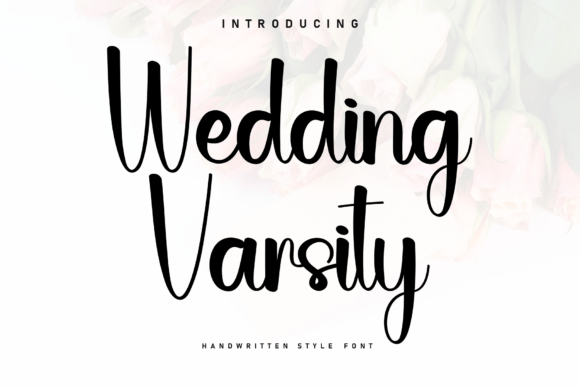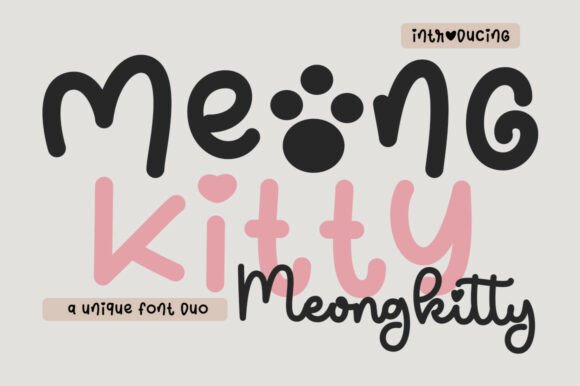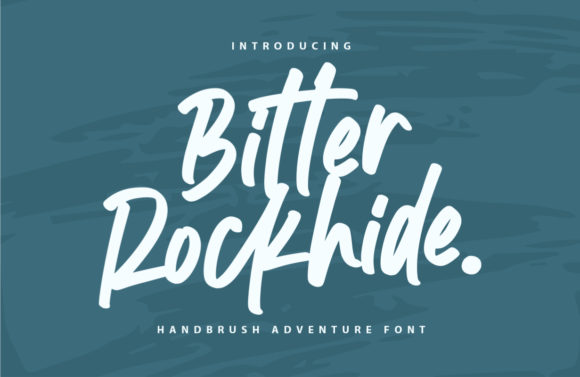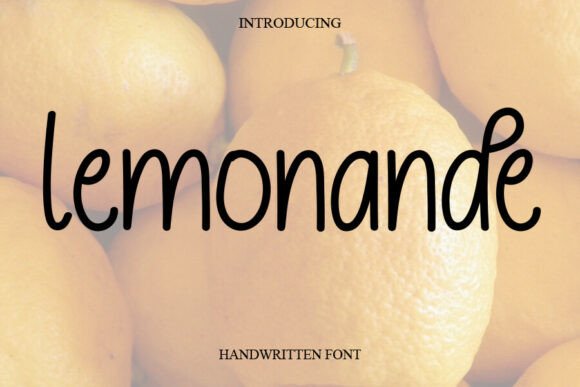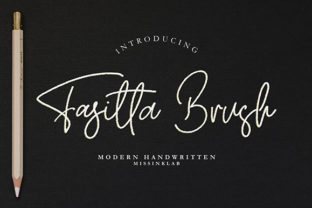
Fasitta: A Handwritten Font with Authentic Charm
In the quest for a design element that feels both personal and polished, discovering a typeface like Fasitta can be a game-changer. This light and charming handwritten font carries a unique spark, offering an authentic touch that can elevate a wide range of creative projects. For designers and creators seeking to inject warmth and individuality into their work, understanding Fasitta's potential is key to unlocking more engaging visual communication.
The Role of Handwritten Fonts in Modern Design
Typography is a cornerstone of graphic design, directly influencing brand identity, user experience, and visual hierarchy. While clean sans-serifs and classic serifs have their place, handwritten fonts like Fasitta address a specific need: human connection. They break the sterile barrier of digital interfaces, evoking emotion, creativity, and approachability. In a landscape saturated with generic visuals, a thoughtfully chosen script can make a brand feel more relatable and memorable, strengthening its overall visual design strategy.
Practical Applications for Fasitta
The versatility of a well-crafted handwritten font makes it a valuable asset across numerous creative projects. Its charm and readability allow it to adapt to various contexts without sacrificing professionalism.
- Branding and Logo Design: Use Fasitta for logotypes, brand marks, or taglines to convey a handcrafted, boutique, or artisanal quality. It's ideal for businesses in lifestyle, wellness, food, or creative industries.
- Marketing Materials: Incorporate it into brochures, flyers, and posters to draw attention to key messages, quotes, or calls-to-action, adding a personal touch to your marketing collateral.
- Social Media Content: Create eye-catching graphics for Instagram stories, Pinterest pins, or Facebook posts. Its authentic style can boost engagement by making content feel more genuine and less corporate.
- Website and UI Design: Apply Fasitta strategically for section headings, hero text, or interactive elements to guide the user's eye and soften the digital experience, contributing to a more thoughtful UX design.
- Packaging and Editorial Design: Enhance product packaging, book covers, or magazine layouts with handwritten details that suggest care and craftsmanship, appealing directly to consumer sensibilities.
Tips for Effective Implementation
Integrating any new creative asset requires a strategic approach to ensure it complements your existing design system. Consider these factors when using Fasitta or similar fonts:
- Balance and Contrast: Pair Fasitta with a simple, neutral font for body text. This maintains readability and establishes a clear visual hierarchy, letting the handwritten font shine as a highlight element.
- Context and Audience: Evaluate if the font's personality aligns with your brand voice and audience expectations. A playful script may suit a children's brand but might not fit a financial institution's professional presentation.
- Scalability and Color: Test the font at various sizes to ensure legibility. Also, consider how it interacts with your color palette; a handwritten font can become a subtle texture or a bold statement depending on its color and placement.
Ultimately, the most effective design choices are intentional. Quality creative assets like Fasitta are not just decorative—they are tools for enhancing communication and building a cohesive brand narrative. By thoughtfully selecting typography that resonates with your project's goals, you invest in a stronger, more authentic visual identity that captivates and connects with your audience on a deeper level.