Journals: Crafting Authenticity with Handwritten Script
In a digital world saturated with sleek, sterile typefaces, the human touch has become a premium commodity in visual design. There's a unique power in a design that feels personal, immediate, and authentically crafted. This is precisely where a resource like Journals transforms from a simple font into a strategic design asset. It’s not just a collection of letters; it's a bridge between professional polish and intimate communication.
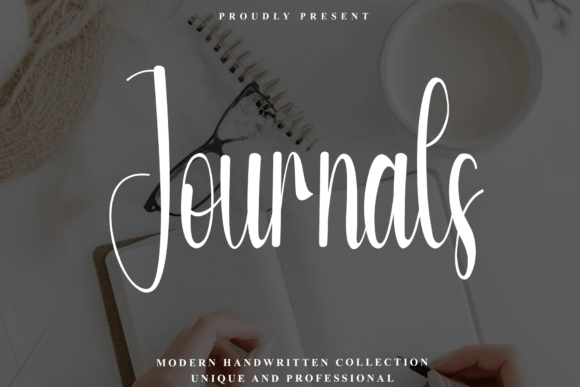
From a graphic design perspective, Journals is a specialized tool for infusing warmth and personality. Its defining characteristics—graceful, elongated loops and a rhythmic, "bouncy" baseline—mimic the fluidity of modern penmanship. This isn't a casual, messy scrawl; it's a refined script that maintains excellent legibility while conveying a deeply human aesthetic. For designers and creators, this means you can inject emotion and approachability into a project without sacrificing professionalism.
Strategic Applications in Modern Design
Understanding where to deploy a script like Journals is key to maximizing its impact. Its versatility makes it a valuable addition to a designer's toolkit, capable of elevating a wide range of creative projects. Consider its role in these core areas:
- Brand Identity & Logo Design: For lifestyle brands, artisanal products, boutique studios, or wellness coaches, Journals can become the cornerstone of a logo. It instantly communicates a brand story centered on authenticity, care, and a personal connection with the audience.
- Marketing & Social Media Graphics: In digital marketing, stopping the scroll is everything. Using Journals for pull quotes, call-to-action phrases, or hero text on social media graphics creates an immediate emotional hook. It’s perfect for Instagram Stories, Pinterest pins, and Facebook ads that aim for engagement over hard-sell tactics.
- Digital Products & UX Touchpoints: The application extends into user experience design. Imagine the delight of a user when they see a welcome message in a digital planner or a thank-you note in an e-commerce checkout flow rendered in this elegant script. It turns a functional UI element into a memorable brand moment.
- Editorial & Print Design: In packaging design, wedding invitations, or editorial layouts, Journals excels at creating visual hierarchy. Use it for headlines, subheads, or accent text to draw the eye and establish a tone that is both elegant and inviting. It pairs beautifully with clean sans-serifs for body copy, ensuring readability while maintaining a sophisticated aesthetic.
Integrating Script Fonts with Design Fundamentals
While a font like Journals is visually striking, its effectiveness hinges on thoughtful application within your broader design system. Here are practical considerations for seamless integration:
- Prioritize Readability and Contrast: Never sacrifice clarity for style. Use Journals for short, impactful phrases—not lengthy paragraphs. Ensure sufficient contrast against its background, whether on a website, a product package, or a presentation slide. Test it at various sizes to guarantee scalability.
- Maintain Visual Hierarchy: Typography is a primary tool for establishing hierarchy. Pair Journals with a strong, neutral typeface for body text. This contrast guides the viewer's eye naturally from the expressive headline to the informative content, creating a balanced and professional layout.
- Align with Brand Voice and Audience: The font must resonate with the target audience. It’s ideal for brands in the lifestyle, wedding, beauty, or creative education sectors. For a fintech company or a law firm, it would likely be inappropriate. Always align your typographic choices with the core brand identity and the message you need to convey.
- Ensure Technical Compatibility: As with any creative asset, verify that the font includes necessary character sets (like multilingual support) and that its licensing fits your project's scope, whether for print, web, or merchandise. A smooth design workflow depends on assets that are both beautiful and technically sound.
Ultimately, the choice of typography is a fundamental decision in visual communication. It’s a direct expression of tone and personality. A resource like Journals